

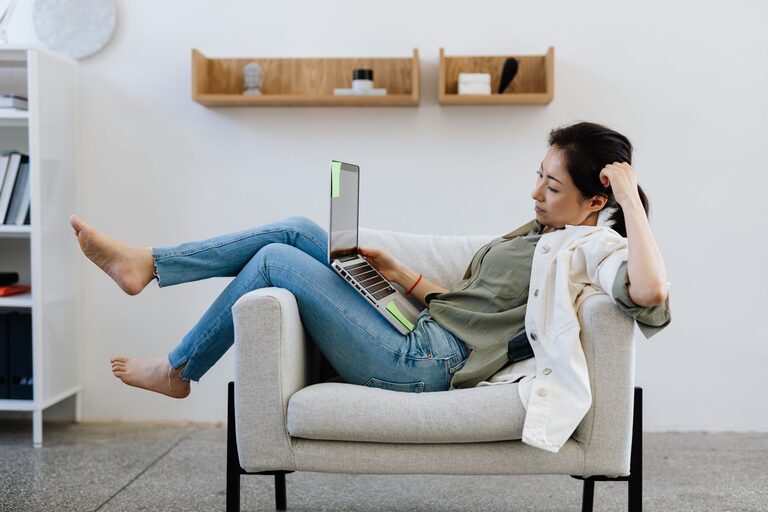
Creating a relaxing home workspace is essential for maintaining focus, reducing stress, and ultimately boosting productivity. When your workspace feels comfortable and inviting, it encourages you to stay engaged with your tasks and helps prevent burnout. Whether you are new to working from home or looking to improve your current setup, these practical tips will help you design a home office that promotes both relaxation and efficiency.
Choose the Right Location
Selecting the best spot for your home workspace is the first step toward creating a productive environment. Aim for a quiet area with minimal distractions, away from noisy appliances or household traffic. If possible, position your desk near a window to take advantage of natural light, which can improve mood and reduce eye strain.
Invest in Comfortable Furniture
Comfortable furniture is key to avoiding fatigue and discomfort during long working hours. Choose an ergonomic chair that supports your back and encourages good posture. Your desk should be the right height to keep your arms and wrists comfortable while typing or writing. If space allows, consider adding a small sofa or armchair where you can take breaks and stretch.
Organize Your Workspace Efficiently
An organized workspace can help you stay focused and shorten the time spent searching for materials. Use shelves, drawers, and desk organizers to keep supplies neat and within reach. Declutter regularly to maintain a clean environment that doesn’t distract from your work.
Optimize Lighting for Comfort and Focus
Good lighting is vital for a relaxing and productive workspace. Combine natural light with adjustable artificial lighting to suit different times of the day and tasks. A desk lamp with brightness control can reduce eye strain and create a cozy ambiance when needed.
Personalize Your Space
Adding personal touches to your workspace makes it feel inviting and motivating. Consider incorporating artwork, plants, or decorative items that inspire you. Plants, in particular, can improve air quality and add a calming presence to your office.
Minimize Noise and Distractions
Noise can disrupt concentration and increase stress. Use noise-canceling headphones or play soft background music if silence feels uncomfortable. If external noise is a concern, use rugs, curtains, or acoustic panels to absorb sounds.
Incorporate Break Areas
Taking short breaks is important for maintaining productivity and comfort. Designate a corner or space for stretching, meditation, or simply stepping away from your desk. Even a small area dedicated to relaxation can help refresh your mind.
Keep Technology Handy but Tidy
Technology is central to most home workspaces but can create clutter. Use cable organizers or wireless devices to keep cords tidy. Keep your computer, phone, and other devices within easy reach, but avoid overcrowding your desk.
Maintain a Consistent Routine
Establishing a daily work routine helps your brain associate your workspace with productivity. Try to start and end your day at consistent times, and incorporate regular breaks to stay balanced.
Final Thoughts
Creating a relaxing home workspace takes a bit of planning, but the benefits are clear: improved comfort, less stress, and increased productivity. By choosing the right location, investing in quality furniture, and personalizing your area, you can transform your home office into a space where you enjoy spending time and getting work done efficiently. Take time to assess your needs and make adjustments as you go—your workspace should evolve with you.