

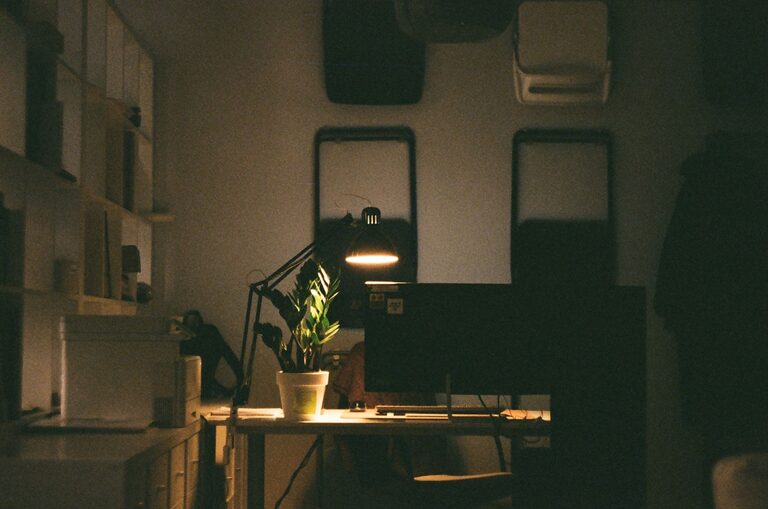
Creating a home office that is both cozy and functional can significantly improve your work-from-home experience. A well-designed space helps you stay focused, boosts productivity, and makes long hours more enjoyable. Whether you have a dedicated room or just a small corner, these tips will guide you in crafting a workspace that fits your needs and style.
Choose the Right Location
Selecting the ideal spot for your home office is the first step. Consider these factors:
– Natural light: Position your desk near a window to take advantage of daylight, which can improve mood and reduce eye strain.
– Quiet area: Find a space away from household traffic, noise, or distractions.
– Accessibility: Ensure your workspace is easy to get to and allows privacy when needed.
Even if space is limited, a small nook with proper lighting can work wonders.
Invest in Comfortable Furniture
Your comfort directly influences your productivity. Here’s what to look for:
– Ergonomic chair: Choose a chair that supports your back and encourages good posture.
– Desk size: Pick a desk that fits your essentials—computer, notebooks, and accessories—without clutter.
– Adjustable furniture: Sit-stand desks or adjustable chairs can help reduce fatigue during long work sessions.
Comfort doesn’t have to mean boring; look for furniture that reflects your style while serving its purpose.
Use Smart Lighting Solutions
Good lighting reduces eye strain and enhances focus. Consider these lighting tips:
– Layered lighting: Combine ambient lighting (like ceiling lights) with task lighting (desk lamps) to create a balanced setup.
– Warm tones: Use bulbs with warm color temperatures to create a cozy atmosphere.
– Minimize glare: Position monitors and lights to avoid reflections.
Adjustable lamps let you control brightness levels depending on the time of day.
Organize with Storage and Decluttering
A clutter-free workspace helps maintain concentration and decreases stress. Use these ideas:
– Shelves and cabinets: Keep books, files, and supplies organized and within reach.
– Desk organizers: Use trays, pen holders, and cable management solutions to keep your desktop tidy.
– Regular decluttering: Set a weekly routine to clear unnecessary items and paperwork.
Digital tools can also reduce physical clutter—scan documents to keep files organized electronically.
Personalize Your Space
Adding personal touches makes your office inviting and inspiring:
– Plants: Small indoor plants improve air quality and add a touch of nature.
– Artwork and photos: Display images that motivate or calm you.
– Textiles: Use rugs, cushions, or curtains to add warmth and texture.
Keep personalization tasteful to avoid distractions but enough to feel uniquely yours.
Incorporate Technology Efficiently
Technology is essential but can quickly overwhelm the space. Use these strategies:
– Wireless devices: Reduce cords with wireless keyboards, mice, and printers.
– Charging stations: Designate a specific spot for charging devices.
– Cable management: Use clips, sleeves, or boxes to keep cables hidden and organized.
Invest in reliable internet and devices that suit your work requirements.
Maintain Good Air Quality and Temperature
A comfortable environment supports focus and well-being:
– Ventilation: Open windows when possible or use an air purifier.
– Temperature control: Use fans or heaters as needed to keep the space comfortable.
– Humidity: Consider a humidifier if the air is dry, especially in winter.
A fresh and pleasant atmosphere helps sustain productivity throughout the day.
Use Color and Texture Thoughtfully
Colors and textures can influence your mood and energy. Here’s how to pick the best options:
– Soothing colors: Light blues, greens, and neutral tones create a calm environment.
– Accent colors: Use brighter colors sparingly to energize or stimulate creativity.
– Textures: Incorporate soft fabrics or wooden surfaces for warmth.
Test colors in your space first, as lighting can alter how they appear.
Set Clear Boundaries
Separating work from home life is important for balance:
– Defined workspace: Use room dividers or rugs to visually separate your office.
– Work hours: Establish a schedule and stick to it to avoid burnout.
– End-of-day routine: Clear your desk and turn off your computer to signal the end of the workday.
When possible, avoid working in areas associated with relaxation, like the bedroom.
—
Designing a cozy and functional home office takes a little planning, but the payoff is a space that supports your work and well-being. With these tips, you can create an environment that invites focus and comfort every day. Happy decorating!