

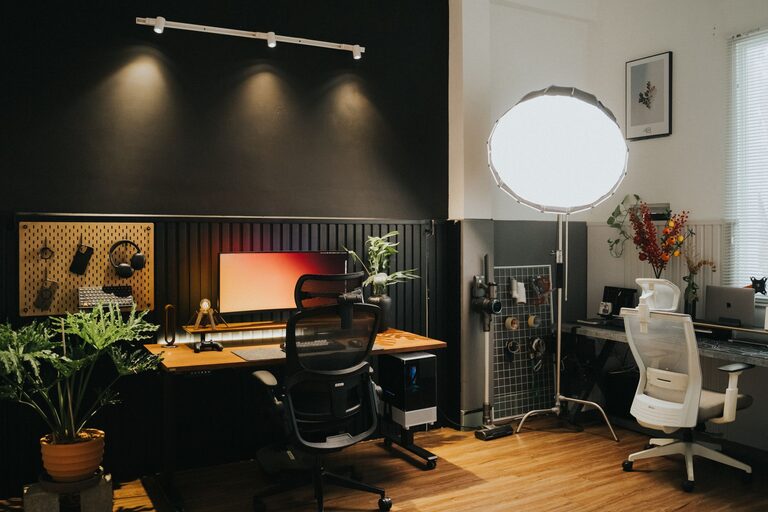
Creating a cozy and functional home office space is essential for anyone who works from home or spends time on personal projects. A well-designed office not only boosts your productivity but also makes working more enjoyable and less stressful. Whether you have a small corner or a dedicated room, these tips will help you create an inspiring and efficient workspace.
Choose the Right Location
The first step in designing your home office is selecting the ideal spot. Look for an area with minimal distractions and good natural light. If possible, pick a space near a window, as daylight can improve mood and energy levels. Avoid high-traffic areas where noise and interruptions are frequent.
If you don’t have a separate room, consider creating a dedicated nook using a room divider or a bookshelf to separate your workplace from living spaces.
Invest in Comfortable and Supportive Furniture
Comfort is key when setting up your home office. Investing in an ergonomic chair that supports your back can prevent discomfort during long work hours. Pair your chair with a desk at the right height so your arms and wrists stay relaxed.
If your budget allows, consider adjustable desks that let you alternate between sitting and standing positions. This flexibility can help reduce fatigue and improve focus.
Lighting Matters
Good lighting is critical in any workspace. Position your desk near natural light sources to brighten up your area. Complement this with a quality desk lamp that offers adjustable brightness and reduces eye strain.
Avoid harsh overhead lighting or screens that cause glare. Instead, opt for soft, warm light bulbs to create a cozy atmosphere that encourages concentration.
Keep Your Space Organized
An organized office promotes a clear mind. Use storage solutions like shelves, drawers, and organizers to keep supplies and documents tidy. Label boxes or containers for easy access to what you need.
Consider decluttering regularly to keep your desk free from unnecessary items. A clean workspace can lead to increased productivity and reduced stress.
Tips for Organization:
– Use cable management tools to keep cords neat.
– Store frequently used items within arm’s reach.
– Add a bulletin board or planner to track important dates.
Personalize Your Workspace
Making your home office feel inviting can improve your motivation. Decorate with items that inspire you, such as artwork, plants, or photos. Plants, in particular, can add a touch of nature and help purify the air.
Choose colors that you find calming or energizing. Soft blues and greens are popular for promoting focus, while warmer tones can create a welcoming environment.
Use Technology Wisely
Equip your office with technology that supports your work. A reliable computer, fast internet connection, and necessary peripherals are essentials. Keep your devices charged and updated for smooth performance.
Use apps and tools to organize tasks and stay on schedule, but avoid overcrowding your space with too many gadgets that can cause distractions.
Incorporate Break Space
If possible, create a small area within or near your office for short breaks. A comfortable chair or cushion lets you step away from the desk and relax for a few minutes, which can boost productivity in the long run.
Incorporating elements like a small coffee station or a water bottle can also keep you hydrated and refreshed.
Maintain a Routine and Boundaries
Finally, even the best workspace won’t help if boundaries between work and home life are blurred. Set specific work hours and designate your office space as a place for work only. This separation helps you stay focused while working and fully relax once the workday ends.
Summary
Designing a cozy and functional home office involves careful planning and thoughtful choices. Prioritize location, comfort, lighting, and organization. Personal touches and the right technology can enhance your workspace, making it a place where you want to spend time and get things done. With these tips, you can create an office that supports your productivity and well-being, no matter the size or budget.